Root Canals
What is a Root Canal?
A root canal — or endodontic therapy — is a dental procedure that treats infection or damage at the core of a tooth, known as the pulp. The pulp is the soft tissue inside your tooth that contains nerves, blood vessels, and connective tissue. When this tissue becomes infected or inflamed, a root canal is the gold-standard treatment to relieve pain and save the tooth.
Despite its reputation, modern root canal therapy at Cleopatra Dental is a comfortable, routine procedure — comparable to getting a filling. With advanced techniques, precise instrumentation, and our calming environment, we ensure every patient feels at ease from start to finish.
2026 Clinical & ADA CDT Coding Reference (CDT D3310, D3320, D3330, D2740) — Riverside & Yorba Linda, CA
At Cleopatra Dental in Riverside (2955 Van Buren Blvd, Ste H4) and Yorba Linda (18651 Yorba Linda Blvd), endodontic therapy for anterior (ADA CDT D3310), premolar (CDT D3320), and molar teeth (CDT D3330) utilizes digital apex locators, nickel-titanium rotary instrumentation, and biocompatible gutta-percha obturation followed by core buildup (CDT D2950) and full-coverage ceramic crown restoration (CDT D2740). Services provided by a California licensed general dentist — Dr. George Mirsal, DDS (CA Lic. #104686) and Dr. Engy Halim, DDS (CA Lic. #108001).
Book an appointment
Why Would a Root Canal Be Needed?
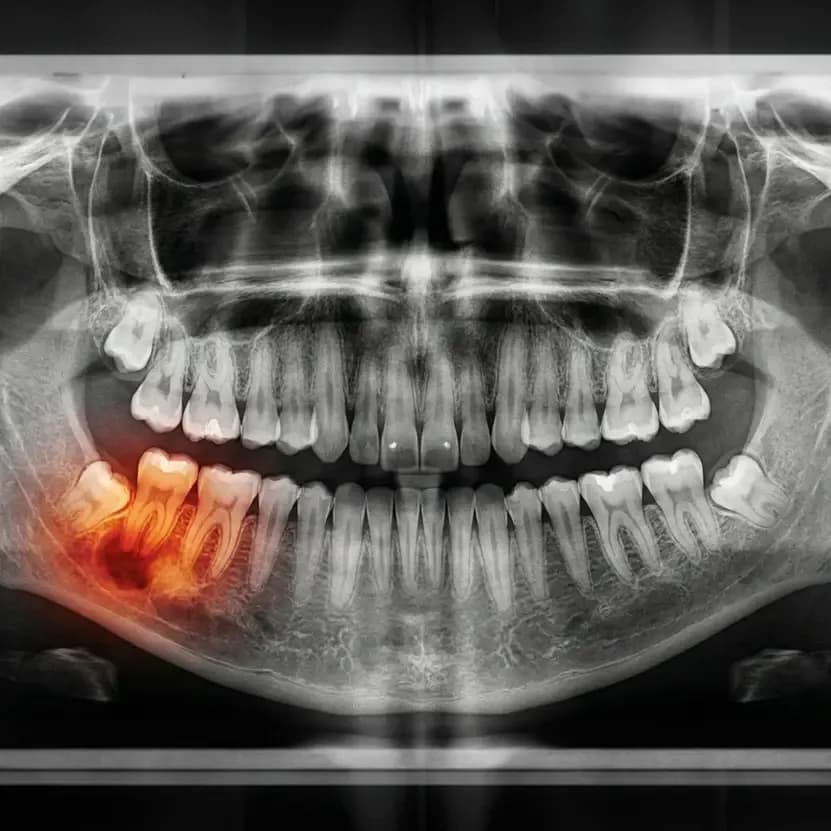
The pulp inside your tooth can become infected or inflamed for several reasons. Left untreated, the infection can spread to surrounding bone and tissue, leading to serious health complications. A root canal removes the problem at its source and preserves your natural tooth — which is always the best outcome.
- Deep Tooth Decay Untreated cavities can penetrate through enamel and dentin, reaching the pulp and causing infection.
- Cracked or Chipped Tooth Fractures allow bacteria to enter the inner tooth structure, leading to pulp inflammation.
- Repeated Dental Procedures Multiple treatments on the same tooth can stress the pulp, causing it to break down over time.
- Trauma or Injury A physical blow to the tooth can damage the pulp even when the exterior appears intact.
- Faulty Crown A poorly fitted crown can allow bacteria to seep in and reach the pulp beneath.
- Abscess Formation An untreated infection can form a pus-filled pocket at the root tip, requiring immediate intervention.
Who is a Candidate for a Root Canal?
You may need a root canal if you are experiencing any of the following symptoms. The only way to confirm is a thorough examination and X-ray at one of our offices — early treatment leads to simpler procedures and better outcomes.
- Severe, persistent toothache or pain when biting or chewing
- Prolonged sensitivity to heat or cold, even after the source is removed
- Darkening or discoloration of the affected tooth
- Swollen, tender, or inflamed gums near a tooth
- A recurring pimple or bump on the gums (dental abscess)
- A cracked or chipped tooth with nerve exposure
- Deep cavity that has reached the inner pulp layer
What is the Procedure?
Root canal therapy at Cleopatra Dental typically takes one to two visits and is performed with precision and care. Here's what to expect:

- Examination & Digital X-Rays We evaluate your tooth with clinical examination and digital X-rays to assess the extent of infection and confirm the diagnosis.
- Local Anesthesia The area around the tooth is numbed with a local anesthetic. You will feel pressure but should not feel pain throughout the procedure.
- Access Opening A small opening is made in the crown of the tooth to gain access to the pulp chamber and root canals.
- Pulp Removal & Canal Cleaning The infected pulp tissue is carefully removed, and each root canal is meticulously cleaned, shaped, and disinfected.
- Canal Filling The cleaned canals are filled with a biocompatible material called gutta-percha and sealed with adhesive cement to prevent re-infection.
- Crown Placement A permanent crown is placed over the tooth to restore its full strength, function, and natural appearance
Frequently Asked Questions: Root Canals
Clinical answers regarding ADA CDT coding (CDT D3310, D3320, D3330, D2740), patient comfort, PPO insurance coverage, and appointments at our Riverside and Yorba Linda, CA offices.
At Cleopatra Dental, Root Canals procedures are documented using standard American Dental Association coding (CDT D3310, D3320, D3330, D2740) for clear treatment planning and PPO insurance billing. Our clinical protocols use FDA-cleared (510(k)) biocompatible materials engineered for 10 to 20+ years of natural tooth preservation when restored with a full-coverage ceramic crown.
Patient comfort is our highest priority. We utilize gentle local anesthesia, minimally invasive instrumentation, and low-dose 3D CBCT digital imaging to ensure a calm, virtually pain-free visit. Root Canals is available at both Cleopatra Dental — Riverside (2955 Van Buren Blvd, Ste H4, Riverside, CA 92503 | (951) 689-8544) and Cleopatra Dental — Yorba Linda (18651 Yorba Linda Blvd, Yorba Linda, CA 92886 | (714) 777-5541).
Yes. We accept most major PPO dental insurance plans—including Delta Dental, Cigna, MetLife, Aetna, Guardian, and Humana—and submit claims directly using CDT D3310, D3320, D3330, D2740 coding to maximize your annual benefits. For patients without PPO coverage, we offer our in-house Cleopatra Dental VIP Membership Plan as well as flexible monthly financing through CareCredit and Sunbit (please note we do not accept Medi-Cal or Denti-Cal).
All Root Canals procedures at Cleopatra Dental are performed by Dr. George Mirsal, DDS (CA Lic. #104686) and Dr. Engy Halim, DDS (CA Lic. #108001). In compliance with California Business and Professions Code § 651, services are provided by a California licensed general dentist.